

 Immunotherapy has sparked new hope for oncology due to its remarkable ability to induce durable clinical
responses in cancer patients. A great potential pool of immune-stimulating factors are the neo-peptides, the
degradation products of altered proteins in cancerous cells. Yet, the targetable pool of neopeptides encoded
by mutations is limited by the low mutational burden of most tumors. Thus, strategies to increase the
neopeptide burden of tumors offer the potential of enhancing tumor immunogenicity. Building on pioneering
work by our group (Nature 2021), we propose to address this challenge via development of small molecule
inhibitors allowing to perturb tRNA modifying enzymes, which are critical for translational fidelity. In
critical, proof-of-concept experiments, we recently silenced TYW2, a tRNA-modifying enzyme, which led
to induction of aberrant, highly immunogenic peptides, giving rise to tumor growth inhibition in vivo. In this
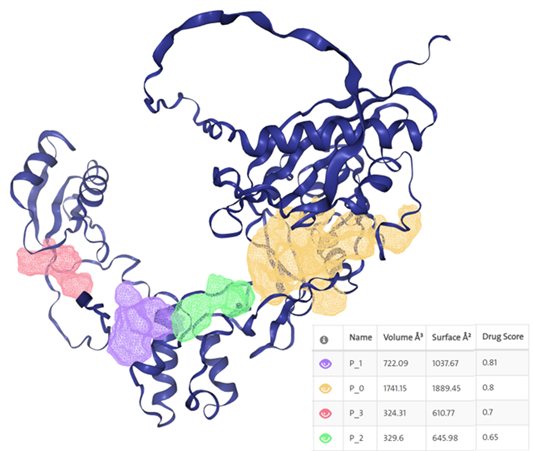
proposal we have three goals: First, to identify small molecule TYW2 inhibitors to trigger anticancer
immunity (Aim 1). Second, we will conduct a systematic CRISPR-based screen for frameshift suppressing
tRNA-modifying enzymes. Third, we will assess the anti-tumoral potential of tRNA modifying enzyme
inhibitors, prioritized from Aim 2. Our preliminary results strongly support the feasibility of our approach
across all three aims. Identifying translation fidelity-derived neopeptides requires a deep understanding of
the cancerous translation machinery and the development of innovative experimental and computational
strategies. Our multi-disciplinary team's strengths and prior experience in tumor immunology and
(Samuels), tRNA biology (Schwartz) and medicinal chemistry (London) makes it ideally suited to fulfill
these requirements.