

The grant aims to support innovative approaches to important challenges in contemporary cancer research, using the combined expertise of at least two scientific fields. The proposals were submitted jointly by a team of at least two scientists, one of whom being a member of the Life Sciences faculties (Biology, Biochemistry) and one being a member of another faculty.
Mapping metabolic crosstalk in BRCA1-mutant ovarian cancer
BRCA1/2 mutations are well-established hereditary cancer predisposition genes that confer an increased risk of cancer to mutation carriers. These mutations are highly prevalent in high-grade serous ovarian cancer (HGSOC), the most lethal gynecologic malignancy. Preliminary data from the Scherz-Shouval lab indicate that BRCA1-mutant HGSOC tumors exhibit a distinct tumor microenvironment (TME), characterized by enrichment of mesothelial cells and inflammatory cancer-associated fibroblasts (iCAFs), compared with BRCA1 wild-type (WT) tumors.
Generation of therapeutic antibodies from lung cancer patients
Tumor-targeting antibodies or reactivation of immune cells by immune checkpoint inhibition have added new treatment strategies in various types of cancer patients. In preliminary experiments, we found antibody-forming cells in NSCLC patients with tumor-binding capacity. Here, we will examine the specificity of antibodies to tumors, comprehensively characterize them, and test their therapeutic potential.
TBD
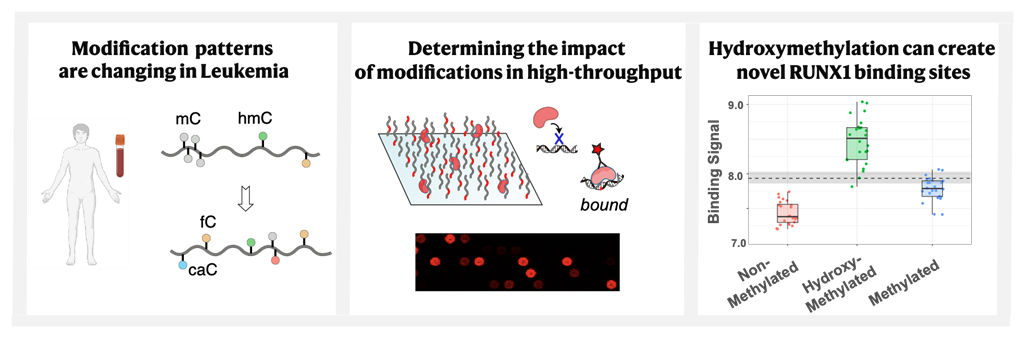 Epigenetic DNA modifications are continuously formed and removed in human cells, and disruptions in the activity of DNA-binding proteins that regulate these processes can lead to cancer development.
Expanding the neoantigen space by harnessing translation dysregulation
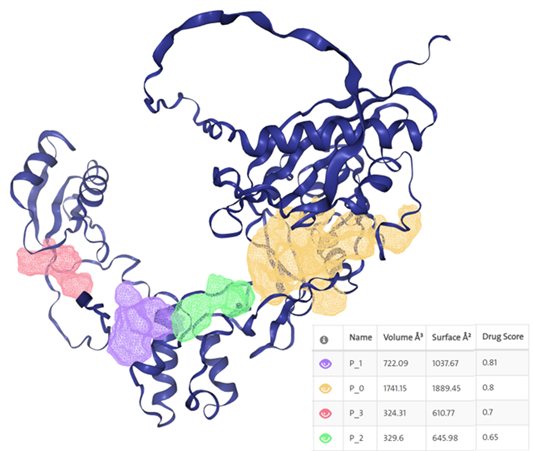 Immunotherapy has sparked new hope for oncology due to its remarkable ability to induce durable clinical
responses in cancer patients. A great potential pool of immune-stimulating factors are the neo-peptides, the
degradation products of altered proteins in cancerous cells. Yet, the targetable pool of neopeptides encoded
Determining the relationship between amplified DNA location and function in cancer
Recent studies identified gene amplification, an increase of up to 100’s of DNA copy numbers of selected genes, as a major driver in multiple cancers leading to poor prognosis. Cancers frequently contain amplifications of oncogenes leading to more aggressive phenotypes, or amplifications of genes that confer therapy resistance. Although the genetic basis of amplifications is being actively studied, our understanding of how the organization of amplified DNA impacts transcriptional output is very limited.
In vivo metabolic imaging of the cancerous pH gradient for diagnostic and therapeutic implications
Tumors hijack physiological chemical reactions, including those that maintain the pH for their own benefit in order to grow and metastasize. While all cells maintain a highly regulated “physiological pH” to enable a normal biochemical function, cancerous cells remodel chemical reactions to maintain this optimal pH internally, while creating an acidic pH outside the tumor that kills the surrounding healthy cells and allows the tumor to propagate.
Design and development of novel nanosensors for real time monitoring of tumor proteolytic activity using MRI
Cancer progression and growth are intimately correlated with proteolytic activity of the tumor microenvironment. The latter is mediated by increased matrix metalloproteinases (MMPs) expression and activity found in most types of cancers. Therefore, monitoring and/or controlling MMPs dysregulated proteolytic activity in vivo is an emerging need in the field of cancer diagnosis and therapy. The project aims to develop a transformative robust imaging platform for monitoring MMPs activity allowing earlier and better diagnostics of tumor onset and progression.
